The Gothic Quarter Barcelona Is Not What It Appears to Be
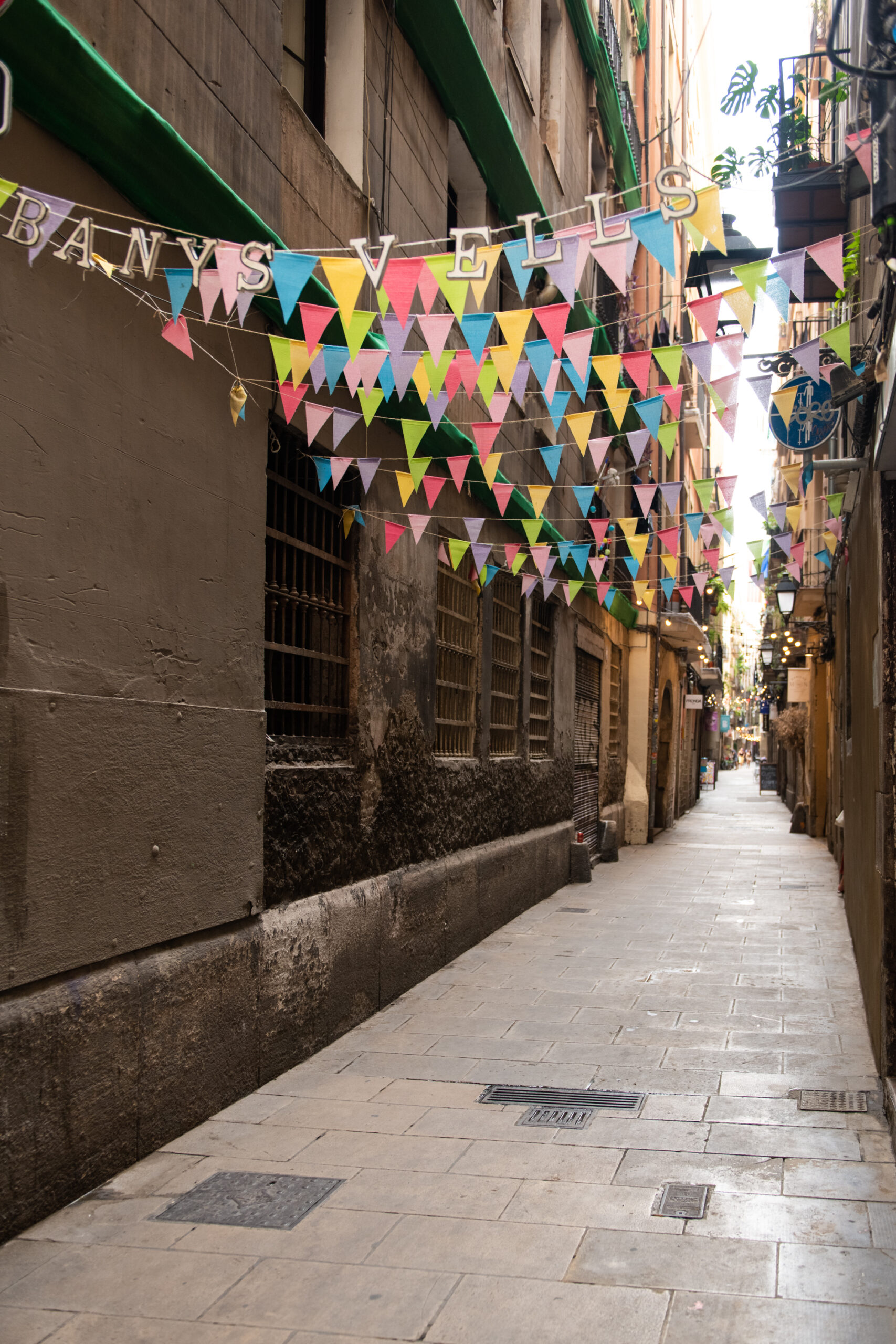
The Gothic Quarter Barcelona is the most visited neighbourhoods in the city – and one of the least understood. The facades you photograph, the bridges you walk under, the towers you see from the rooftops – a significant portion of what feels authentically medieval was actually constructed or heavily reconstructed in the late 19th and early 20th century, during a period of intense Catalan nationalist romanticisation of the Middle Ages.
This isn’t a criticism. It’s one of the most interesting things about the neighbourhood. The Gothic Quarter is a city’s dream of its own past, built in stone and mortar. And understanding that changes how you look at it.
The Roman Layer: Barcino Beneath the Stones
Barcelona is a Roman city. Founded as Barcino in the 1st century BC, its original grid is still legible in the street plan of the Gothic Quarter. The Temple of Augustus – four columns of a Roman temple, hidden inside a medieval courtyard on Carrer del Paradís – is one of the most extraordinary things in the city. Most visitors never find it. It’s free to enter, almost always quiet.
Below the Museu d’Història de Barcelona (MUHBA) on Plaça del Rei, you can walk through the archaeological remains of the Roman city – streets, workshops, a fish sauce factory – preserved beneath the medieval buildings above.
The Medieval Layer: Where Picasso Learned to See
Pablo Picasso arrived in Barcelona as a teenager in 1895. He spent his formative years here – sketching in the streets, drinking in the bars of El Raval, making friends who would define his intellectual world for decades. The Barcelona years are when Picasso becomes Picasso.
The Museu Picasso on Carrer de Montcada – a medieval street that is itself a work of art – holds the most important collection of his early work in the world. The medieval palaces that house it are as worth seeing as the paintings inside.
What Most Visitors Miss
The Courtyards
The Gothic Quarter’s great architectural secret is its courtyards. Push open an unmarked door and you find yourself in a space that the street gives no hint of – ancient stone, often a well or a fountain, sometimes an orange tree, always quiet. The Pati Llimona, the courtyard of the Arxiu de la Corona d’Aragó, the interior of the Palau del Lloctinent – these are places that reward the visitor who’s willing to try doors.
The Doorways
Medieval Barcelona carved its identity into its door surrounds. The relief sculptures, coats of arms, and decorative stonework. The doorways of the Gothic Quarter’s great palaces are miniature art history lessons, and almost no one looks at them. Walk slowly. Look up. Look sideways. The decoration is in the margins.
The Details Above Eye Level
The Gothic Quarter was built by people who expected you to look up. The gargoyles, the decorative corbels, the carved faces on keystones – all of this is invisible to anyone moving at tourist pace. Slow down. The neighbourhood reveals itself to those who give it time.
See It With a Guide Who Knows Its Secrets
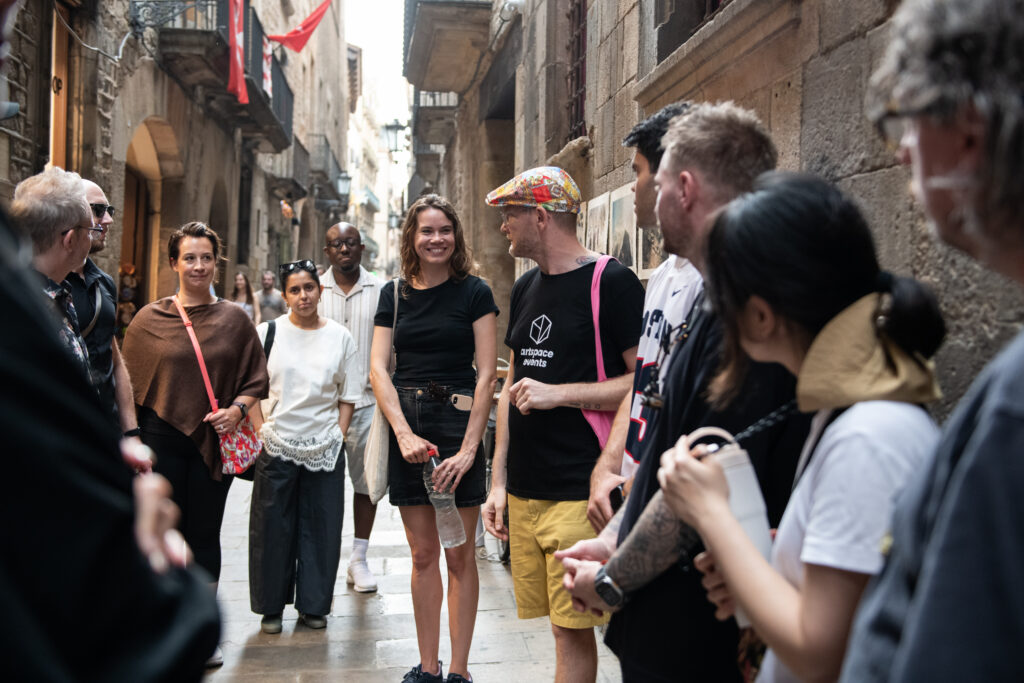
Our Barcelona Picasso Tour takes you through the Gothic Quarter. An expert guide who knows its art history from the Roman foundations up leads. Private, two hours, from €120. We’ll show you what the guidebooks leave out.